Love, Death + Robots: A Cyberpunk Anthology That Redefines Animation
When Netflix first unleashed Love, Death + Robots in 2019, it wasn’t just another animated series—it was a creative earthquake. What we got was an anthology that shattered conventions, blending science fiction, fantasy, horror, and surreal dark comedy into compact episodes that feel like both experimental shorts and blockbuster spectacles. Each episode tells its own story, with a different style, tone, and vision—yet together they weave a grand thematic mosaic around three primal forces: love, death, and robots.
With four volumes now under its belt, the series has grown into one of Netflix’s most daring and unforgettable projects, pushing the boundaries of what adult animation can be.
🎬 Why It Works
- Anthology format: no two episodes are alike. Each one is its own universe.
- Daring visuals: photoreal CGI, stylized 2D, painterly surrealism—every style is represented.
- Mature themes: love in its rawest forms, death in its many guises, robots as mirrors of humanity.
- Cyberpunk pulse: neon cities, dystopian futures, AI ethics, greed, survival.
🌟 Episode Spotlights — through a fan’s eyes
One of the greatest joys of Love, Death + Robots is that everyone ends up with different favorites. The series is like a buffet of imagination—some episodes hit you with action, others sneak in with poetry or satire. What makes it special is how personal the experience feels. These are a few episodes that left me fascinated long after the credits rolled:
Zima Blue (Vol. 1)

This isn’t just a story, it’s a meditation. A legendary artist strips away the grandeur of his fame to reveal a simple, mechanical truth at his core. Watching the tiles of “Zima Blue” spread across the screen feels infinite—like peering into the universe. Quiet, profound, unforgettable.
Spider Rose (Vol. 4)
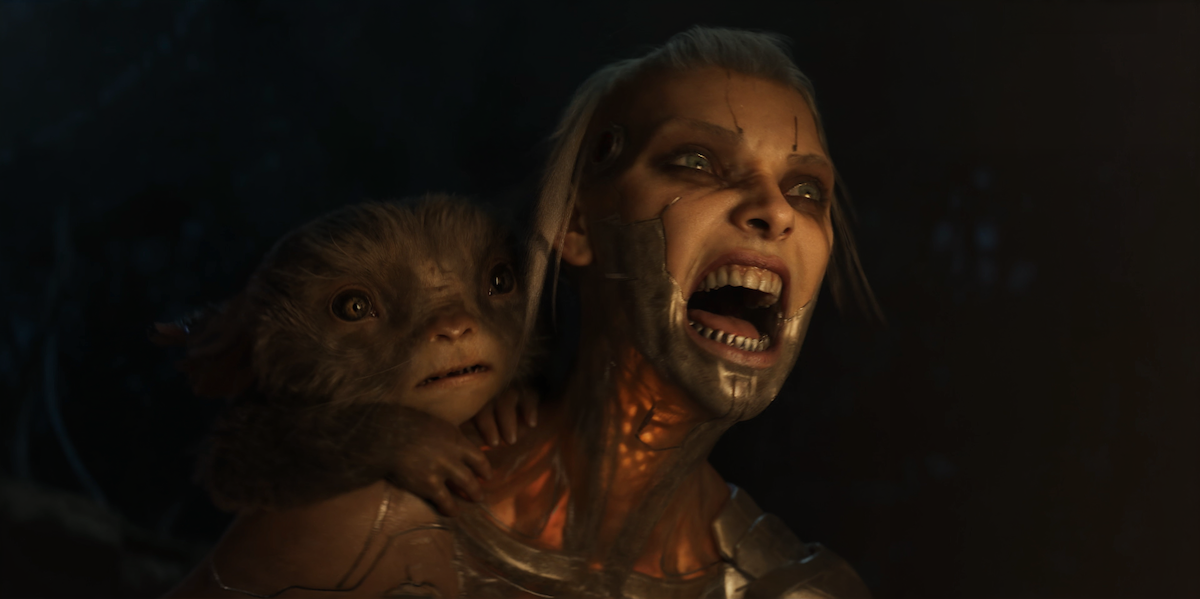
Grotesque and breathtaking at once. Rose is part alien, part nightmare, and wholly tragic. The horror here doesn’t just shock—it lingers. It’s poetry written in blood and steel.
Three Robots (Vol. 1)
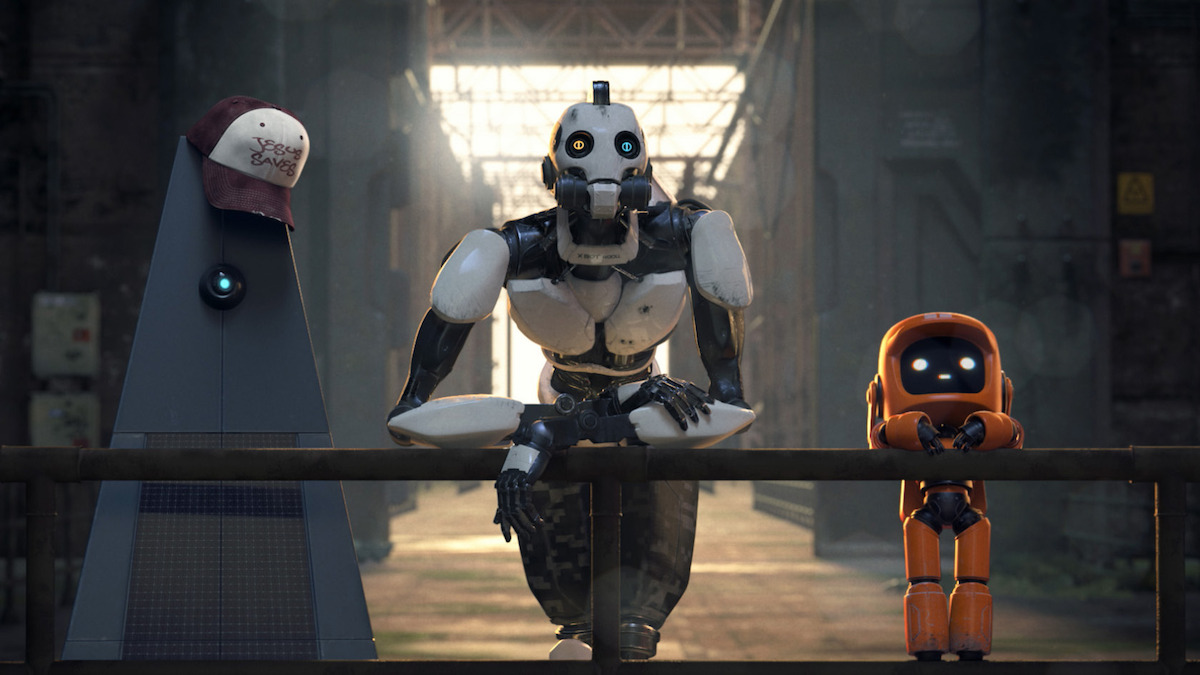
A walking tour of humanity’s ruins—guided by three robots cracking jokes. It’s funny, biting, and oddly touching. The humor is sharp, but beneath it lies tragedy: the ruins they explore could one day be ours.
Smart Appliances, Stupid Owners (Vol. 4)
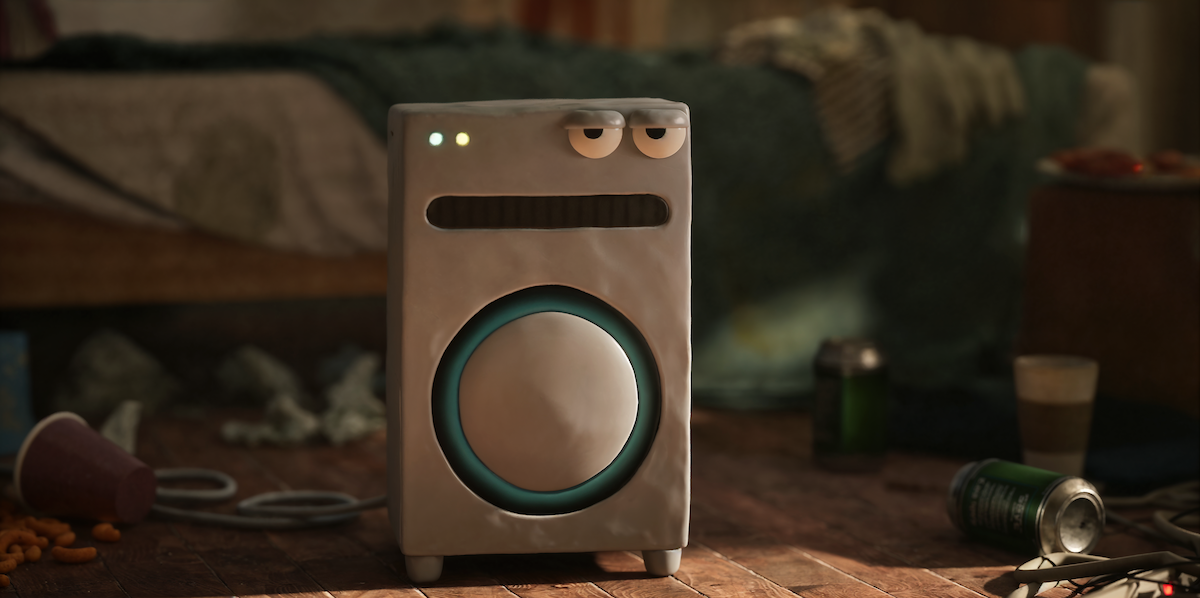
Like a David Attenborough documentary narrated over kitchen appliances gone rogue. It’s hilarious, absurd, but also a little too real. Tech satire at its sharpest.
The Drowned Giant (Vol. 2)
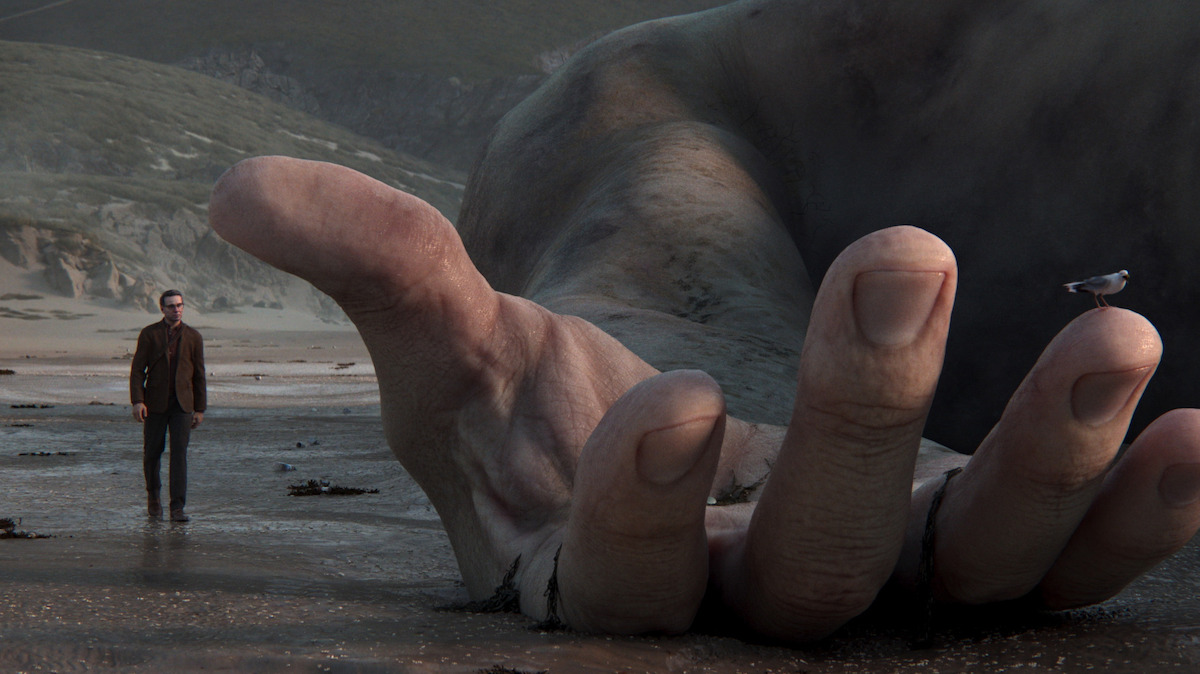
A fallen titan, first revered, then reduced to curiosity, and finally forgotten. The voiceover is clinical, the imagery profound. It’s a story about us—how quickly wonder rots when left in human hands.
Good Hunting (Vol. 1)
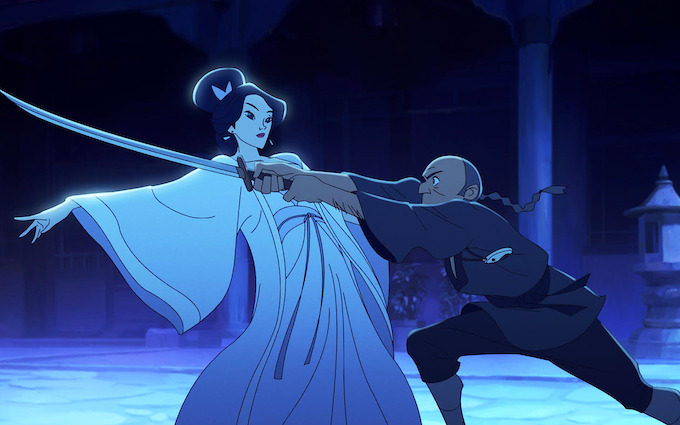
From fox spirits and folklore to gears and steam-powered bodies, this episode morphs into something raw and liberating. It’s about change, survival, and turning oppression into strength. I still think about its ending often.
The Witness (Vol. 1)
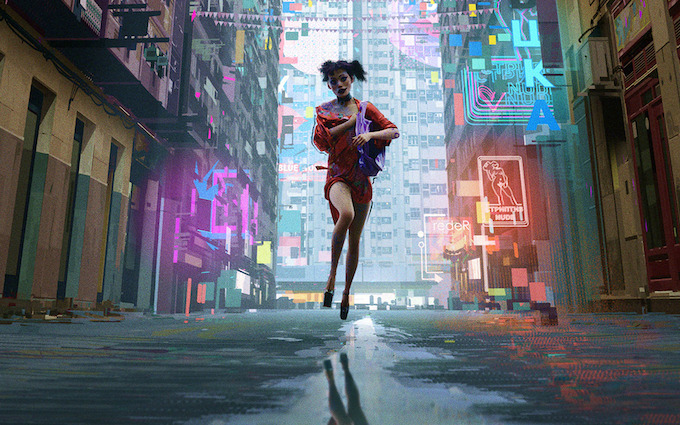
A fever dream in neon. The chase is relentless, the visuals dizzying. By the time the twist hits, you realize you’ve been running in circles the whole time—just like the characters. It’s adrenaline captured in pixels.
Sonnie’s Edge (Vol. 1)
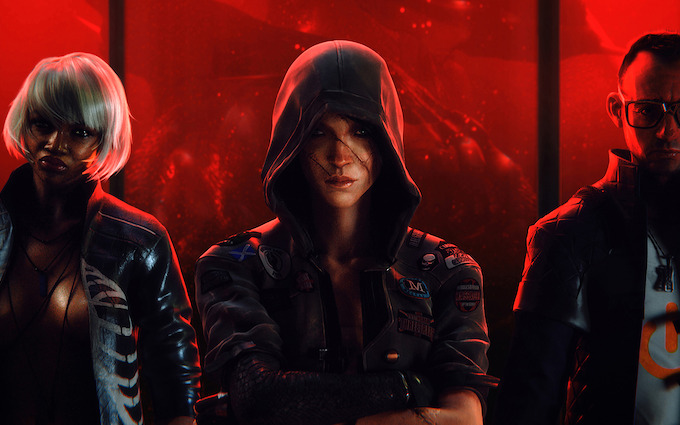
A monster fight story that’s more than gore. Sonnie isn’t just a fighter—she’s defiance incarnate. Every punch, every slash feels like a scream of survival. This was the episode that told me: this show has teeth.
Jibaro (Vol. 3)
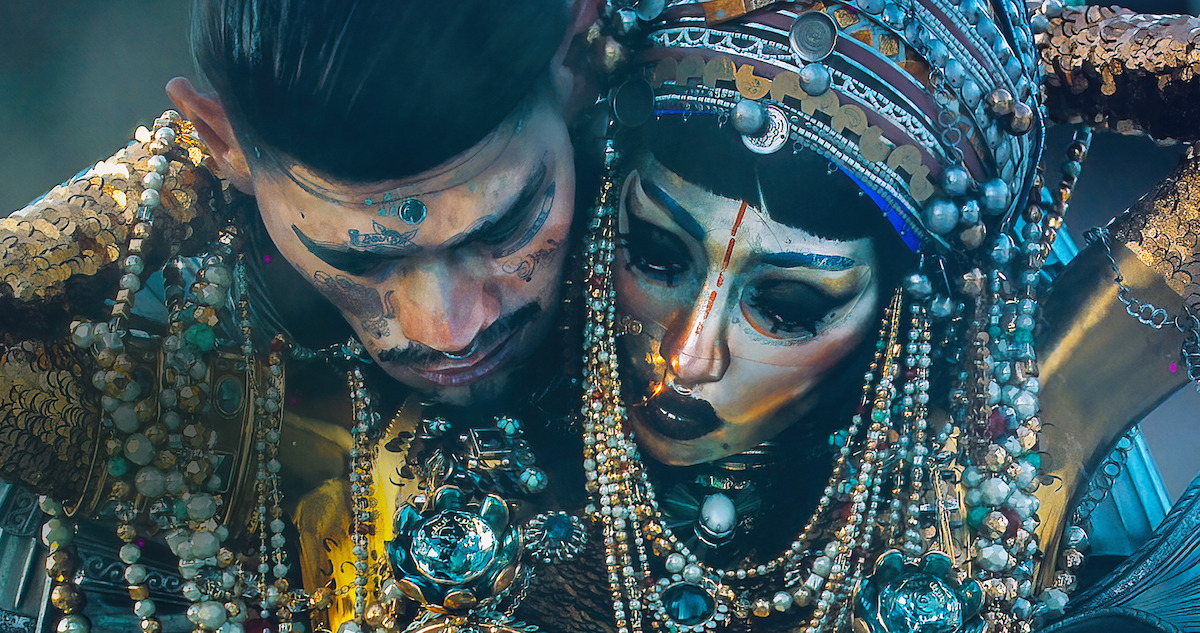
No dialogue. Just sound, motion, and madness. A golden siren lures a knight into ruin, and what follows is violent, grotesque, and hypnotic. It’s like watching a nightmare ballet. I’ve never seen anything like it.
✨ A Delhi Techie Watches Love, Death + Robots
Living in Delhi, sometimes I feel like I’m already walking through a cyberpunk anthology. The neon billboards of Connaught Place, the smog hanging like a perpetual filter over the skyline, the late-night metro rides that feel like stepping into a scene from The Witness.
Episodes like Jibaro or The Witness echo the chaos of the city’s dating scene—glittering, fast, seductive, and sometimes destructive. Sonnie’s Edge reminds me of the tech grind here: you walk into meetings or deadlines scarred, but those scars become the very weapons that push you forward. Three Robots feels like the older generations laughing at us techies building systems we don’t always control—while The Drowned Giant reminds me of family stories and traditions fading as new ones crowd in.
And then there’s Zima Blue. That yearning for simplicity? It’s the same feeling that comes when I want to step away from the noise of deadlines, notifications, and Delhi traffic—to find one pure thing that makes sense.
Watching Love, Death + Robots as a Delhi techie isn’t just entertainment—it’s a mirror. The anthology’s cyberpunk futures and twisted worlds feel uncomfortably close to home, because in many ways, we’re already living parts of them here. The show doesn’t just thrill me—it makes me reflect on my own city, my work, my relationships, and the strange human psychology of surviving in a metropolis that’s halfway between tradition and neon dystopia.
💡 Final Thoughts
What ties these episodes together isn’t plot—it’s how they make you feel. Some make you laugh, others chill you, and some leave you staring at the ceiling questioning existence. That’s the brilliance of Love, Death + Robots: it’s not one story, but a collection of emotional punches, each one different, each one unforgettable.
Netflix didn’t just give us a show. It gave us a window into the limitless possibilities of animation. And with every new volume, that window opens wider.
🌐 Cyberpunk Aftertaste
And because no cyberpunk reflection is complete without a nod to our eternal digital samurai—here’s Keanu Reeves, glitching straight out of Night City, reminding us that even legends are caught in the neon haze:

Wake up, Delhi… we have robots to kill.